

Marketing Team
In offices across the island, from the central business district to regional industrial parks, the hum of generative Artificial Intelligence is now an undeniable part of the daily workflow.
Since bursting into the mainstream a few years ago, AI tools are no longer a novelty but a collaborator for many.
Yet, beneath the surface of increased productivity, a persistent question lingers in our minds: What is this technology really doing to our jobs, and is my career safe?
A Story of Augmentation, Not Annihilation
The prevailing narrative among local experts is that generative AI is poised to be a force of job augmentation rather than outright elimination.
The fear of mass obsolescence is giving way to a more nuanced understanding of AI as a tool that will handle routine, repetitive tasks, thereby freeing up human workers to focus on areas requiring higher-order thinking, strategy, and empathy.
Roles are being redesigned around AI, where the technology acts as a co-pilot for tasks like drafting reports, generating code, or analysing data sets.
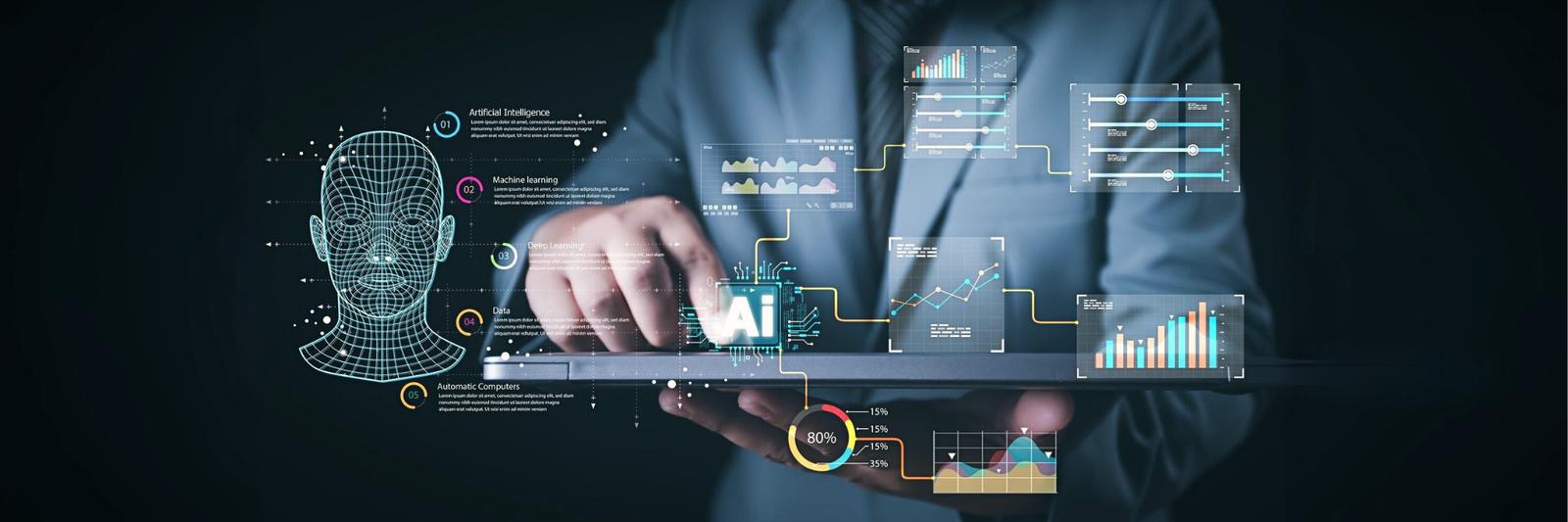
The Roles on the Front Line of Change
Certain professions are undoubtedly experiencing the impact of AI more acutely than others.
Roles that involve structured content creation, such as copywriting, graphic design, and paralegal research, are being reshaped as AI can now produce initial drafts and summaries in seconds.
Similarly, programmers and data analysts are using AI to automate code generation and preliminary data modelling, changing the very nature of their day-to-day tasks.
However, jobs that rely heavily on complex physical dexterity, intricate human interaction, and critical decision-making in unpredictable settings remain less susceptible.
Roles in healthcare, skilled trades, and senior leadership, which demand deep emotional intelligence and nuanced judgment, will continue to see strong demand for human expertise.
A Pivot to Upskilling
Singapore has responded to the AI wave with a deliberate and coordinated national strategy focused on upskilling and job redesign.
Through agencies like SkillsFuture Singapore (SSG) and the Infocomm Media Development Authority (IMDA), a wide array of training programmes and subsidies have been made available to equip the workforce with crucial AI literacy skills.
On the other hand, Amazon launched the ‘AI Ready’ initiative that complements its commitment to provide free cloud computing skills training to 29 million individuals globally by 2025.
Returning to the central question—is your job safe? The answer appears to be that a job title no longer determines safety, but rather an individual’s adaptability.
The roles of tomorrow will be different, and the successful worker will be one who embraces lifelong learning and views AI not as a threat, but as a powerful tool to be mastered.
While disruptive, this technological shift presents a profound opportunity for the nation’s workforce to move up the value chain, cementing Singapore’s status as a hub of innovation and talent.
Disclaimer
The information contained herein is provided for general informational purposes only. While every reasonable effort has been made to ensure the accuracy of the information, inadvertent errors or omissions may occur. No representations or warranties, express or implied, are made regarding the accuracy, completeness, or suitability of the information provided. The authors expressly disclaim any and all liability arising from, or in connection with, any errors or omissions. Recipients are advised to seek independent legal counsel for advice pertaining to their individual circumstances.
Suggested Videos
Related Courses

Human Resources
professional
Engaging Learners in the Digital Age: Articulate Storyline 360 Essentials
Turn your ideas into engaging digital content through storytelling, thoughtful design, and clear delivery that connect with learners.

Artificial Intelligence
professional
The Future of Marketing: AI Tools and Techniques
Discover various AI platforms to create personalised content, automate campaigns, and optimise marketing.
Artificial Intelligence
professional
Building the Next ChatGPT: Your Journey into Advanced AI
Explore the world of large language models, uncover prompt strategies, and discover creative ways to generate impactful AI visuals.

Artificial Intelligence
professional
The Art of Chatbot Development: From Concept to Deployment
Understand how AI chatbots transform engagement, personalise customer journeys, and elevate service standards across touchpoints.