

Marketing Team
A café owner opens for the day, switching on the radio to fill the room with gentle pop tunes. Across the street, another eatery streams a curated playlist from a music app.
Both believe they are simply creating an atmosphere for customers. Yet under Singapore’s intellectual property laws, those two choices fall under very different rules — and one could require a licence.
In Singapore, music is more than background noise. It is intellectual property, and the right to use it in public belongs to the people who created it.
The moment music is played where customers can hear it, whether through speakers in a café, in a retail shop or at a gym, it is considered a public performance.
The Public Performance Principle
Public performance rights exist to ensure that composers, lyricists and performers are paid when their work is used in a commercial setting. This applies whether the source is a CD, a downloaded file, a streaming service or a radio station.
Streaming platforms such as Spotify, Apple Music and YouTube are licensed for personal, private use only.
Playing them in a commercial space without permission breaches both copyright law and the terms of the service. To stay compliant, businesses need a Public Performance Licence from the Composers and Authors Society of Singapore (COMPASS) if they play copyrighted music for customers.
When the Radio Is Different
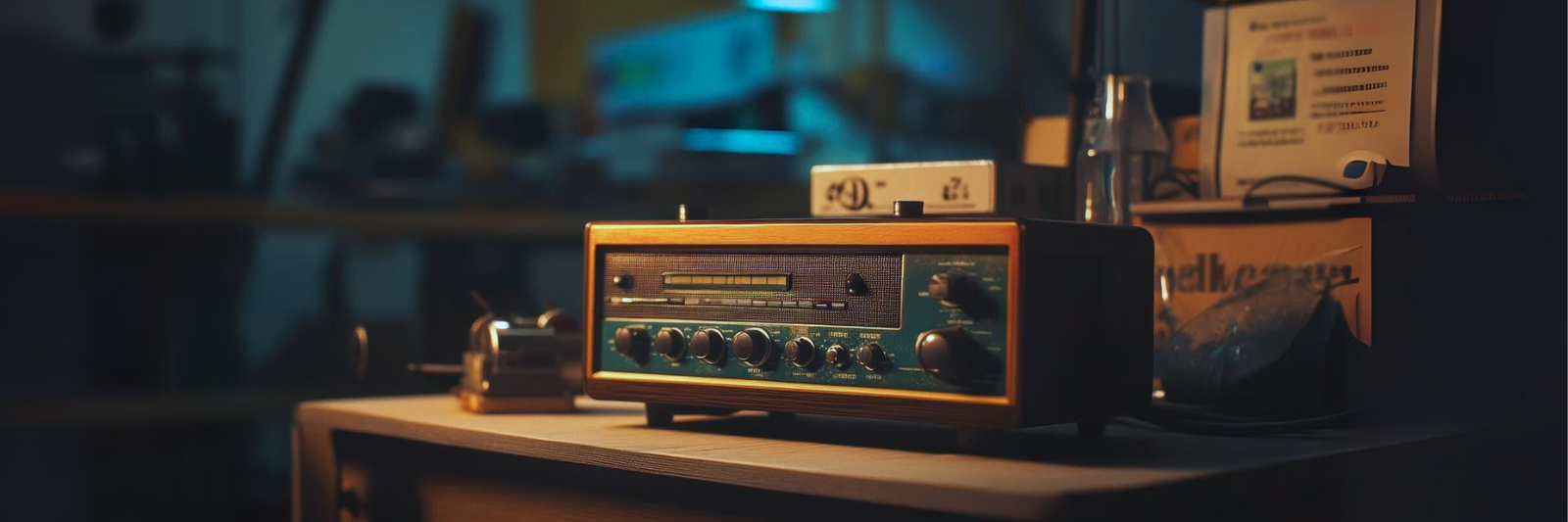
There is one detail that surprises many business owners. In Singapore, you generally do not need a COMPASS licence to play free-to-air radio in your premises, because the broadcaster has already paid for the rights to transmit that music to the public.
However, the exemption applies only if you are relaying the broadcast exactly as received, without altering it or recording it for later use.
More Than Just Music
Music is only one example of how intellectual property reaches into everyday business.
Showing a film to customers, using a photograph from the internet on a menu, or displaying a designer’s illustration on a café wall — each could require permission.
The key legal question is whether the use takes place in a public or commercial context. If it does, rights clearance may be needed.
Respecting Creativity in Commerce
For creators, these rules are not designed to make life harder for small businesses.
They are intended to ensure that creative work is valued and rewarded. For businesses, compliance is not only about avoiding legal action. It is also a way to support the creative ecosystem that produces the very content customers enjoy.
The next time you hear music playing in a restaurant or a shop, remember this: the song is more than a pleasant soundtrack. It is the product of someone’s skill, time and imagination — and its presence there is part of an invisible agreement that keeps Singapore’s creative economy alive.
Disclaimer
The information contained herein is provided for general informational purposes only. While every reasonable effort has been made to ensure the accuracy of the information, inadvertent errors or omissions may occur. No representations or warranties, express or implied, are made regarding the accuracy, completeness, or suitability of the information provided. The authors expressly disclaim any and all liability arising from, or in connection with, any errors or omissions. Recipients are advised to seek independent legal counsel for advice pertaining to their individual circumstances.